Wilbarger County
About
Wilbarger County was established in 1858 and named after Josiah and Mathias Wilbarger, early Texas pioneers who played significant roles in the state’s frontier history. The county’s development was shaped by its location in North Texas, where it became part of the agricultural heartland that characterized the region during the latter half of the nineteenth century. The area witnessed the challenges and opportunities typical of Texas frontier communities, including interactions with indigenous populations, the establishment of ranching operations, and the gradual arrival of settlers seeking new opportunities in the expanding state.
As the county matured through the late 1800s and into the twentieth century, it adapted to changing economic conditions while maintaining its rural character. Vernon, serving as the county seat, became the administrative and commercial center for the surrounding agricultural lands. The county’s history reflects the broader patterns of Texas development, from its origins as frontier territory through periods of agricultural expansion and eventual modernization, all while preserving connections to its pioneering heritage.
Population
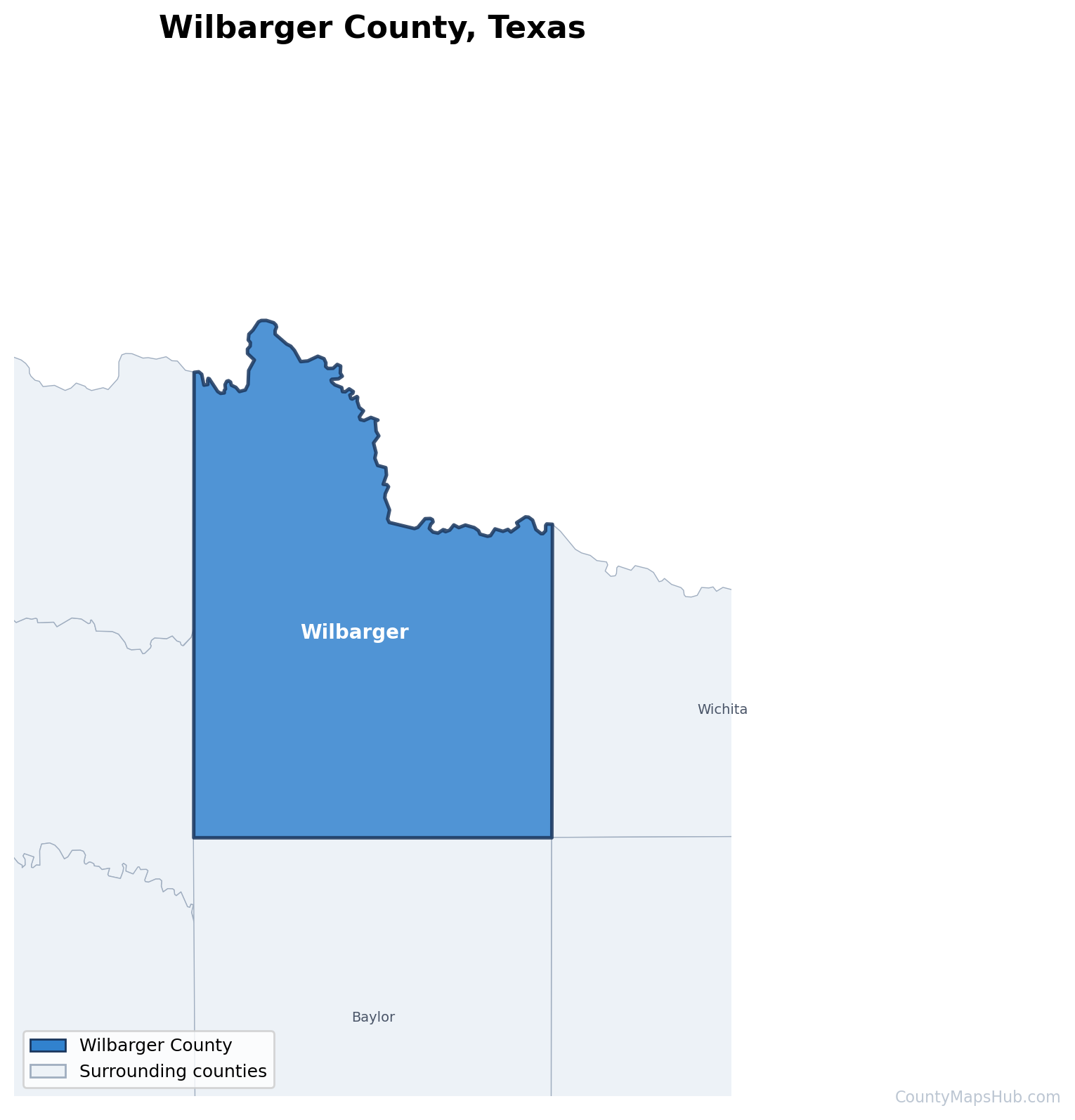
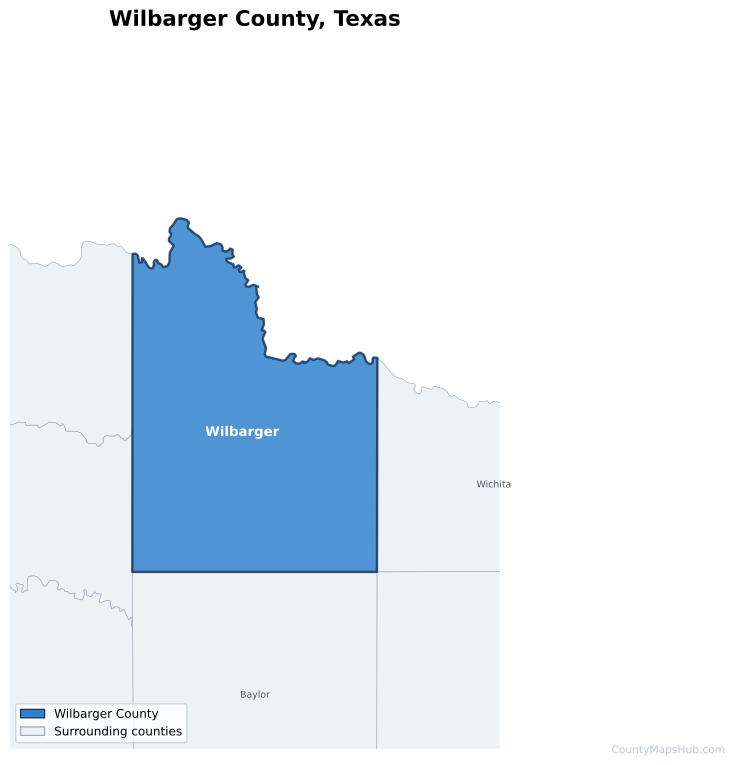
According to the 2020 Census, Wilbarger County has a population of 12,887 residents. This population level reflects the county’s character as a rural North Texas community where residents are spread across approximately 971 square miles. The relatively low population density is typical of many Texas counties in this region, where agriculture and ranching operations require extensive land use. The county seat of Vernon serves as the primary population center, providing essential services, employment opportunities, and community amenities for residents throughout the county. The population has remained stable over recent decades, maintaining the county’s identity as a close-knit community with deep roots in the region’s agricultural traditions.
Climate
Wilbarger County experiences a semi-arid climate characteristic of North Texas, featuring hot summers and mild to cool winters with limited annual precipitation. Summer temperatures regularly climb into the upper 90s and sometimes exceed 100 degrees Fahrenheit, while winter months bring cooler conditions with occasional freezing temperatures. Rainfall in this semi-arid zone is relatively scarce and often unpredictable, making water conservation and management important considerations for agricultural operations and municipal planning.
The semi-arid conditions influence the landscape, which typically features drought-resistant vegetation and grasslands adapted to periodic dry spells. Residents and farmers must account for the climate’s variability, including the possibility of extended dry periods punctuated by occasional severe weather events. The region’s climate supports cattle ranching and certain types of dryland farming that have historically formed the backbone of the local economy.
Tourist Attractions
Visitors to Wilbarger County can explore the authentic character of North Texas rural communities, where the landscape showcases the region’s agricultural heritage and wide-open spaces. The county offers opportunities to experience small-town Texas hospitality and observe working ranches that continue traditions established over a century ago. Those interested in the frontier history of Texas will find the area’s connection to early pioneers and its role in the state’s westward expansion particularly engaging.
Outdoor enthusiasts can enjoy the distinctive semi-arid environment, which provides settings for activities such as wildlife observation, photography of the expansive Texas skies, and exploration of the region’s natural features. The county’s rural roads offer scenic drives through landscapes that retain much of their historic character, while local facilities provide glimpses into the community life that has sustained this corner of Texas for generations. Visitors seeking an authentic experience away from urban centers will appreciate the county’s unhurried pace and genuine Texas atmosphere.
Culture
Wilbarger County’s culture reflects its North Texas roots and agricultural heritage, where values of self-reliance, neighborliness, and connection to the land remain central to community identity. The region’s culture has been shaped by generations of ranchers and farmers who built their lives around the rhythms of the seasons and the demands of working the land in a semi-arid climate. Local traditions often center on agricultural activities, community gatherings, and celebrations that bring together rural residents from across the county’s extensive geography.
The cultural landscape includes influences from various groups who settled in North Texas over the past century and a half, creating a community that honors its pioneer legacy while adapting to contemporary life. Regional cuisine, music, and social customs reflect broader Texas traditions while maintaining distinctive local flavors. Community institutions play important roles in preserving the area’s heritage and fostering social connections among residents. The culture emphasizes practical skills, outdoor knowledge, and the importance of maintaining strong community bonds in a rural setting where neighbors depend on one another.